
Overview
Even if you have never had diabetes before, you may develop gestational diabetes during pregnancy. In order to guarantee a good pregnancy for both you and your unborn child, it is critical to comprehend this condition, its origins, risks, and above all effective management techniques.
Gestational diabetes: what is it? When your body is unable to produce enough insulin during pregnancy, it might result in gestational diabetes, which raises blood sugar levels. Particularly during the second and third trimesters, the hormones the placenta produces can obstruct insulin’s ability to control blood sugar.

Risk Elements The following variables raise the risk of gestational diabetes:
1.Being older than twenty-five
2.Having diabetes in the family
3.Being overweight prior to getting pregnant
4.Having already experienced gestational diabetes during pregnancy
5.Additionally, some ethnic groups can be more vulnerable.
6.The diagnosis and symptoms Since gestational diabetes frequently shows no
symptoms, a glucose screening test is usually used to diagnose it between weeks
24 and 28 of pregnancy.
Hazards Linked to Gestational Diabetes If gestational diabetes is not properly managed, it can raise hazards like:
1.greater baby weight at birth, which makes delivery more challenging
2.Premature birth
3.Higher risk of Type 2 diabetes in later life for both the mother and the kid

Strategies for Managing and Resolving Gestational Diabetes
Adhere to a Balanced Diet
1.Put an emphasis on low-sugar, high-fiber diets.
2.Consume a lot of vegetables, lean meats, and nutritious grains.
3.Steer clear of sugary drinks and refined carbs.
4.Engage in Regular Exercise

Exercise can enhance insulin sensitivity and assist control blood sugar levels.
As directed by your physician, try to engage in activities like swimming, walking, or prenatal yoga.

Track Your Blood Sugar Levels
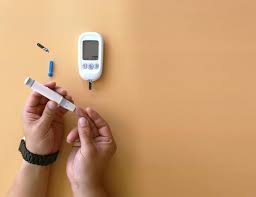
You can better understand how diet, exercise, and medications impact your blood sugar levels by routinely checking your readings.
Keep track of your readings and discuss them with your doctor so that your treatment plan can be modified as necessary.
When to Take Medication

Your doctor may recommend insulin or other drugs to regulate your blood sugar if diet and exercise are insufficient.
Keep yourself informed and educated.
To feel empowered and proactive in managing gestational diabetes, learn as much as you can about the condition.
In conclusion
With the correct strategy, gestational diabetes can be effectively managed. You may lower risks and encourage a healthy pregnancy by maintaining an active lifestyle, eating a balanced diet, and routinely checking your blood sugar. To be sure you’re making the greatest decisions for both you and your unborn child, always get advice from your healthcare professional.