
Parents and other adults who care for children under five may find seizures to be upsetting. These episodes, which are brought on by aberrant brain electrical activity, can manifest as momentary inattention, jerking motions, or periods of intense staring. Although they can happen for a number of reasons, protecting your child’s health and well being requires knowing what causes them and how to avoid them. Feverish seizures, which are brought on by a sharp increase in body temperature, sometimes as a result of ear infections or the flu, are among the most frequent causes of seizures in this age range. Head injuries, metabolic abnormalities (such as low blood sugar or calcium), and serious infections like meningitis are additional possible reasons. Rarely, hereditary problems or neurological conditions like epilepsy may be the cause of seizures. Early detection of these factors might be crucial for care and prevention.
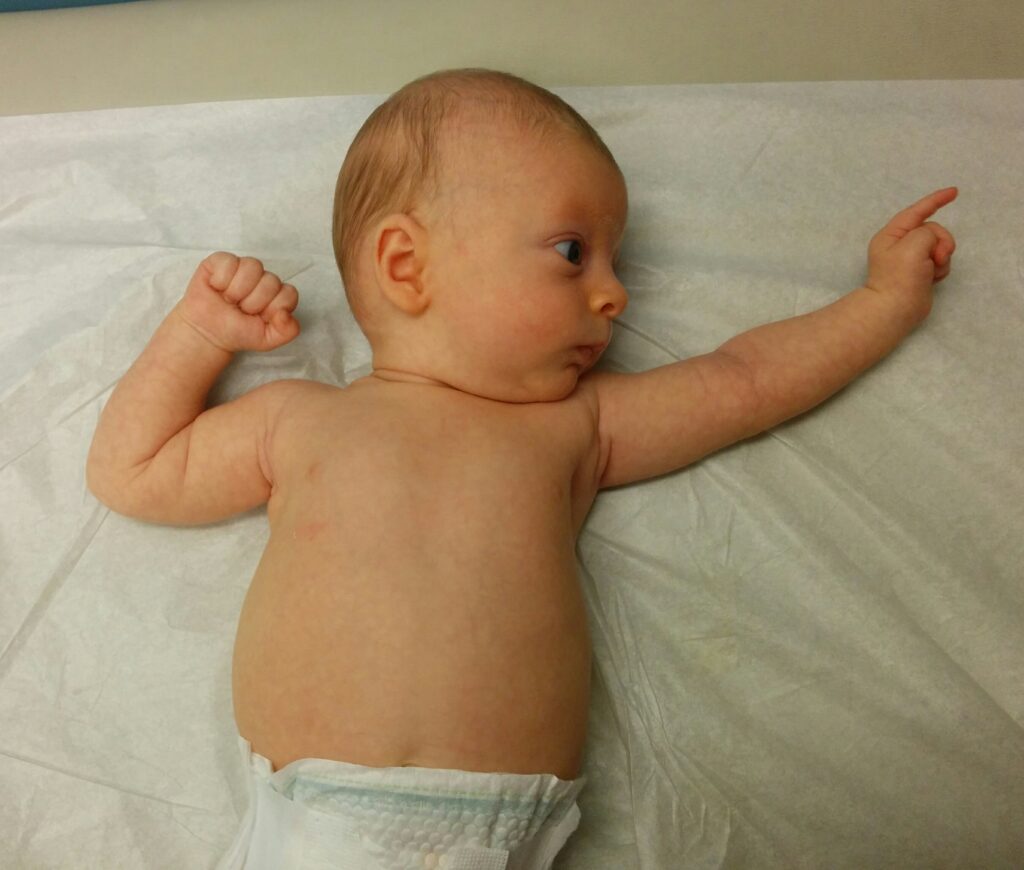
Techniques for Preventing Seizures
1.The first step in preventing seizures is controlling common triggers. Keep your child’s fever under control by using acetaminophen or ibuprofen as prescribed by your doctor to reduce the chance of febrile seizures. It’s also critical to keep an eye on their temperature and stay hydrated when they’re sick. Immunizations are essential for avoiding diseases that might cause seizures and high fevers.
2. Another important preventive step is lowering the chance of head injuries. Secure furniture, install safety gates, and make sure your child is wearing the proper protective gear, including helmets, when engaging in physical activities to childproof your house. A balanced diet that contains enough calcium and glucose promotes normal brain growth and function, which lowers the risk of seizures even further.
3. Working closely with a physician or neurologist is essential for kids who have recurrent seizures or a family history of epilepsy. To help control and lessen the frequency of seizures, these medical specialists can provide individualized guidance, observation, and, if required, medication.
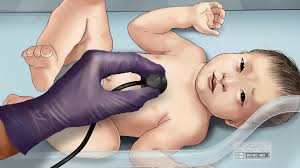
Identifying and Addressing Seizures
Remain composed and concentrate on your child’s safety if they are having a seizure. To avoid choking, remove any sharp objects from the area and gently place them on their side. Don’t put anything in their mouth, and don’t try to hold them back. If the seizure lasts more than five minutes, is the child’s first seizure, or causes breathing difficulties after the seizure, get medical help right once.
Conclusion
Although seizures in children under five can be concerning, their frequency and intensity can be decreased by being aware of their causes and ways to prevent them. Parents can reduce their child’s risk by controlling fevers, avoiding accidents, eating healthily, and getting medical attention when they need it. A cooperative approach with medical professionals guarantees efficient treatment and support for kids who experience frequent seizure episodes. Parents can easily tackle this difficult but manageable situation if they are prepared and knowledgeable.
Citations
1.”Febrile Seizures: Causes and Prevention,” Mayo Clinic Staff. Link: Mayo Clinic.
2.Cleveland Medical Center. “Child Seizures: Signs and Treatment.” Link: Cleveland Clinic.
3.The American Academy of Pediatrics. “A Parent’s Guide to Children’s Seizures” wholesomeChildren.org,